

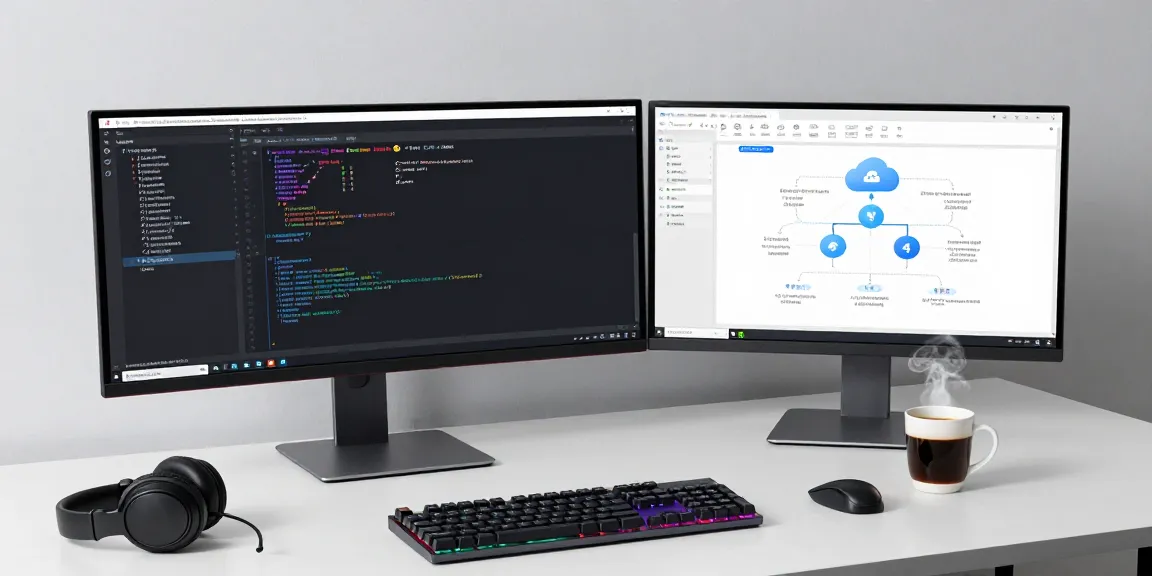
Understanding gi8ee: A Foundation for Software Innovation
In today’s fast-paced technology landscape, staying ahead of the curve is crucial for success in software development. The introduction of platforms like gi8ee has revolutionized how developers approach innovation and efficiency. gi8ee offers a modern framework tailored for building scalable and robust applications, making it a sought-after resource for both seasoned developers and burgeoning tech startups. When exploring options, https://gi8ee.com/ provides comprehensive insights into how their tools can enhance software development processes.
What is gi8ee and Its Key Features?
gi8ee is a versatile platform designed for software developers looking to streamline their workflow while harnessing the power of advanced technologies. Its key features include:
- Modular Architecture: Allows developers to create and manage applications using microservices, enabling better scalability and maintainability.
- Integrated Development Environment (IDE): Offers built-in tools that facilitate easy coding, debugging, and deployment, speeding up the development cycle.
- API Support: Provides extensive API documentation and integration capabilities to connect various services seamlessly.
- Community Contributions: Encourages collaboration through open-source projects, providing developers with access to shared resources and support.
Importance of gi8ee in Modern Software Development
The emergence of gi8ee corresponds with the increasing complexity of software systems. As businesses look to adopt agile methodologies, the need for a robust development platform grows. gi8ee addresses this need by offering:
- Faster Time-to-Market: The features of gi8ee allow for rapid prototyping and development, which significantly reduces the time it takes to bring new software solutions to market.
- Enhanced Collaboration: By utilizing shared resources and tools, teams can work more effectively and efficiently, fostering innovation and creativity.
- Support for Emerging Technologies: gi8ee is designed with the latest technologies, such as AI and machine learning, allowing companies to integrate these advancements into their applications effortlessly.
Common Use Cases for gi8ee in Tech Industries
gi8ee’s flexibility makes it suitable for various industries, including:
- Financial Services: Building secure applications that comply with regulations while handling sensitive financial data.
- E-Commerce: Developing user-friendly platforms that enhance customer experience through integrated payment systems and personalized recommendations.
- Healthcare: Creating applications that store and analyze patient data, enabling better healthcare management and oversight.
Design Patterns and Software Architecture in gi8ee
Exploring Essential Software Design Patterns
Design patterns are crucial in developing maintainable and scalable software. gi8ee supports several design patterns, including:
- Model-View-Controller (MVC): Separates the application’s logic from its user interface, enhancing modularity.
- Singleton: Ensures a class has only one instance while providing a global point of access, essential for managing shared resources within an application.
- Observer: Enables a subscription model where objects can listen for changes in state, promoting a reactive programming style.
Architectural Styles for Scalable Applications
Choosing the right architectural style is critical for scalability. gi8ee facilitates several architectures, such as:
- Microservices Architecture: Decomposes the application into smaller, independently deployable services that can be developed, deployed, and scaled independently.
- Serverless Architecture: Reduces the operational responsibility for developers by allowing them to focus on writing code while the cloud provider manages server maintenance and scaling.
- Event-Driven Architecture: Uses events to trigger and communicate between decoupled services, allowing for real-time data processing.
Integrating gi8ee with Microservices Architecture
Microservices architecture is gaining traction due to its flexibility and scalability. Integrating gi8ee into a microservices environment involves:
- Defining boundaries for each microservice, ensuring they are loosely coupled and can evolve independently.
- Implementing API Gateways to manage request routing, authentication, and load balancing across services.
- Utilizing containerization technologies like Docker to package and deploy each microservice consistently.
Cloud Infrastructure and gi8ee: Next-Gen Strategies
Choosing the Right Cloud Provider (AWS, Azure, GCP)
Selecting the appropriate cloud provider can significantly influence the success of your gi8ee implementations. Key considerations include:
- Service Offerings: Evaluate the cloud provider’s services that align with gi8ee’s features, including compute, storage, and database solutions.
- Cost: Analyze pricing models and total cost of ownership, looking for scalable plans that fit your budget as your application grows.
- Security and Compliance: Ensure that your chosen provider meets your security and compliance requirements, particularly if you operate in regulated industries.
Best Practices for Deploying gi8ee on the Cloud
Deploying gi8ee on the cloud requires careful planning and adherence to best practices, such as:
- Utilizing Infrastructure as Code (IaC) tools, like Terraform, to automate the infrastructure setup.
- Implementing continuous integration and continuous deployment (CI/CD) pipelines to streamline the development process.
- Monitoring and logging application performance post-deployment to ensure reliability and quick issue resolution.
Cost Optimization Strategies in Cloud-Based gi8ee Solutions
Managing costs effectively while using cloud services is crucial. Consider these strategies:
- Optimize resource utilization by resizing instances based on usage patterns.
- Leverage auto-scaling features to manage workload automatically without manual intervention.
- Utilize reserved instances for predictable workloads to reduce costs compared to on-demand pricing.
Implementing AI/ML Solutions with gi8ee
Leveraging gi8ee for Machine Learning Applications
With the rise of AI and machine learning, gi8ee provides a robust foundation for developing ML applications through:
- Built-in libraries and frameworks that support common machine learning tasks and algorithms.
- Easy integration with popular ML tools like TensorFlow and PyTorch, allowing developers to implement models effortlessly.
- Data management features that facilitate efficient performance by optimizing data flow between training and production environments.
Data Pipelines and Serialization in AI Workflows
Efficient data pipelines are critical for machine learning success. gi8ee supports the creation of robust data pipelines, focusing on:
- Data ingestion from various sources, ensuring data quality and consistency.
- Serialization methods for model persistence and efficient data transfer across different components of the application.
- Automating data preprocessing and validation steps to streamline the machine learning workflow.
Testing and Validating AI Models within gi8ee
Testing AI models is essential to ensure accuracy and reliability. Gi8ee offers tools for:
- Implementing unit tests for individual components of the machine learning model.
- Conducting integration tests to assess how different parts of the application interact.
- Monitoring model performance on real-world data to validate effectiveness before full deployment.
Cybersecurity Best Practices for gi8ee Platforms
Identifying Common Cyber Threats and Vulnerabilities
As software systems become more complex, they can be susceptible to various threats. It’s vital to identify vulnerabilities such as:
- SQL Injection: Exploiting vulnerable applications through malicious SQL statements.
- Cross-Site Scripting (XSS): Injecting scripts into web pages viewed by other users, compromising their interaction.
- Ransomware Attacks: Encrypting data and demanding payment for decryption, causing significant operational losses.
Securing gi8ee Applications with Robust Protocols
Implementing security measures within gi8ee applications includes:
- Using HTTPS to encrypt data in transit, providing a secure channel for communication.
- Implementing strong authentication methods, such as multi-factor authentication, to safeguard user accounts.
- Conducting regular security audits and penetration testing to identify and fix potential vulnerabilities.
Compliance and Security Regulations in gi8ee Development
Compliance with regulations is crucial for protecting sensitive information. gi8ee developers should be aware of:
- General Data Protection Regulation (GDPR): Ensuring user consent for data collection and processing, particularly for users in the EU.
- Health Insurance Portability and Accountability Act (HIPAA): Protecting healthcare information and ensuring patient data confidentiality.
- Payment Card Industry Data Security Standard (PCI DSS): Implementing standards for secure handling of credit card transactions.
FAQs about gi8ee and Software Development
How can gi8ee improve software development productivity?
gi8ee enhances productivity by providing integrated tools that streamline coding, testing, and deployment processes. Its modular architecture allows teams to work concurrently on different components, significantly reducing development time.
What tools are essential for working with gi8ee?
Key tools include a robust IDE, version control systems like Git, CI/CD pipelines, and cloud storage to enable collaborative and flexible development workflows.
Are there community resources available for gi8ee developers?
Yes, gi8ee has an active developer community that offers forums, documentation, and shared projects, allowing developers to collaborate and share solutions efficiently.


